
Training to Help Your Organization Develop and Retain Millennial Talent
Today, Millennials have become the biggest generation in the workforce, making the design of their training not something out of the ordinary but an L&D responsibility. Yet many training programs are still built around assumptions that predate this generation’s expectations entirely.
What Works When Training Millennials in the Workplace
Our research into millennials in the workplace goes back further than most. It’s the subject of an entire book we published, The M-Factor, examining how this generation was reshaping expectations around collaboration, transparency, and purpose long before “millennial workplace trends” became a common headline.
For L&D leaders, the practical implications are specific. Millennials tend to disengage from passive, lecture-style training and respond far better to interactive formats with real discussion, peer collaboration, and a clear tie between the content and their own career growth. They also expect feedback built into the learning experience itself, not held back for a single evaluation at the end. Our training sessions are designed around those realities. Rather than a one-time info-dump, sessions incorporate storytelling, real-time engagement, and practical scenarios millennial employees actually encounter, communicating with a Gen X manager, giving upward feedback, or navigating a workplace culture built by earlier generations.
Delivered in person, virtually, or as a multi-session series, the format flexes to your organization’s calendar and learning strategy. L&D leaders partner with us because the content doesn’t just explain millennials. It gives managers and peers practical tools to work with them more effectively, which shows up directly in engagement, retention, and how quickly millennial employees reach full productivity.
The Training Challenges That Come with Developing Millennial Employees
Poor engagement with training programs that use outdated delivery methods and one-size-fits-all content
High early-career turnover among millennials who feel their development is not prioritized
A disconnect between training content and the career growth opportunities millennials expect
Difficulty building leadership development pathways that prepare millennials for senior roles
A need for training design informed by deep generational research, not surface-level assumptions














Clients' Testimonials:
The Transformation
When leaders understand generational differences in the workplace, assumptions drop, trust grows, and performance improves.
- Conflict evolves into connection
- Frustration yields to appreciation
- Silos dissolve into synergy
- Turnover transforms into retention
- Differences emerge as competitive advantages
1998
Empowering organizations worldwide since our founding in 1998
Who We Are
Harnessing Collective Wisdom
Generations has developed a strong reputation for harnessing the collective wisdom and innovation of multiple generations to drive competitive advantage. Our experts deliver specialized consulting services that bridge generational divides and activate workforce potential. Since 1998, we have empowered thousands of organizations worldwide to foster inclusive, high-performing environments where Baby Boomers, Generation X, Millennials, Generation Z, and emerging cohorts collaborate seamlessly. Our expertise lies not in superficial team-building exercises but in evidence-based strategies that address the root causes of intergenerational friction, yielding measurable improvements in productivity, retention, and cultural alignment.
Our origins trace back to two colleagues—a Baby Boomer and a Gen Xer—who, despite mutual respect, frequently encountered generational disconnects. At the time, the primary tension centered on work ethic: Baby Boomers prioritized extended hours, while Generation X advocated for additional “time off.” This request earned Generation X the title of “slackers” and ushered in the era of work-life balance debates.
Read More
This tension inspired our first bestselling book, When Generations Collide. Since then, we have evolved into a globally recognized consulting firm, authoring two additional titles: The M-Factor and Managing Millennials for Dummies. We have partnered with organizations across every major industry to resolve generational workplace challenges.
When we began, Millennials were entering high school, and the concept of Gen Z had yet to emerge. Over the years, we refined our approaches to align with the evolving needs of emerging professionals while honoring the expertise of seasoned contributors.
Our solutions equip leaders with strategies to build trust and create inclusive environments where every team member feels valued. Colleagues gain practical tools for enhanced communication and collaboration. New hires receive guidance to effectively navigate established workplace norms. Participants universally appreciate the deeper understanding they acquire about their intergenerational relationships, whether with children or parents.
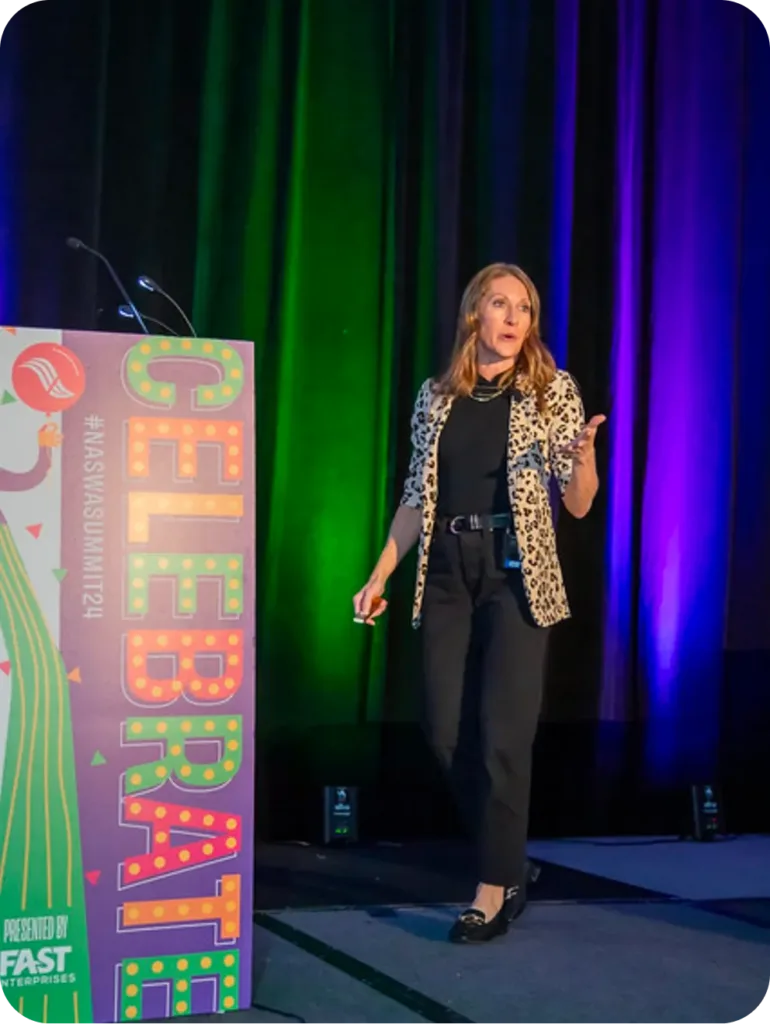
Through engaging keynote presentations, interactive workshops, bestselling publications, and tailored consulting engagements, we empower leaders and teams to leverage the strengths of all generations in workplace and marketplace contexts.
We approach generational dynamics as a practical lens for understanding how people work, lead, and collaborate. Each generation has been shaped by different historical moments, technologies, and expectations, and those influences show up in real ways across today’s workplace.
With nearly three decades of experience and deep research, we help organizations turn generational insight into practical strategies that strengthen culture, improve collaboration, and drive measurable business outcomes.
Our work brings together diverse perspectives, experiences, and strengths, helping teams move beyond differences and use them to build trust, solve problems, and perform at a higher level.
Frequently Asked Questions
1. What are the most common friction points between millennial employees and Baby Boomer or Gen X managers that training should address?
Five come up repeatedly: feedback frequency, where annual reviews meet an expectation of ongoing input; definitions of work ethic, where hours-based dedication meets results-based flexibility; communication channel norms; pace of advancement; and how authority is earned versus assigned. Training millennials in the workplace should address all five as two-way dynamics, because Boomer and Gen X managers have legitimate reasoning behind their expectations too. The focus areas and skills development we build around these tensions give both sides specific language and behaviors, not just awareness.
2. How do you structure millennial workplace training for organizations that also need to address Gen Z onboarding?
We usually build a common foundation and then split. The shared portion covers generational differences and learning styles across the full workforce so nobody feels singled out. From there, one track focuses on training millennials, many of whom are now managers themselves, while another addresses Gen Z onboarding, early-career expectations, and first-job professional norms. Combining them into a single undifferentiated session tends to serve neither group well, since the Millennial cohort’s needs today are largely leadership needs.
3. What role should senior leaders play during training sessions focused on millennials in the workplace?
Attend, participate, and do not observe from the back. When senior leaders sit through the same content, it signals the work is organizational rather than a correction aimed at one group, which is among the best practices that most affect engagement. Ideally leaders open the session by naming why it matters and what they hope changes, then take part as learners. The most common mistake is executives introducing a session and leaving, which tells the room the content is meant for other people.
4. How do you measure behavior change after training millennials rather than just satisfaction scores?
Satisfaction tells you the session landed; it does not tell you anything changed. Better indicators include manager self-assessment before and after on specific behaviors, direct report feedback on feedback frequency and quality, participation in follow-up sessions, retention and internal mobility among the target population, and observed use of the shared language in meetings and reviews. Training millennials workplace outcomes improve when application is built in: engagement and participation between sessions, interactive practice, and Learner Action Guides that require people to try something and report back.
5. What industries have seen the highest impact from targeted millennial workforce training?
Impact concentrates where the generational mix is widest and turnover is most expensive: healthcare, manufacturing, financial services, technology, professional services, retail, and the public sector. Manufacturing and utilities see strong results because knowledge transfer from a retiring workforce is urgent. Healthcare benefits because early-career attrition is costly and well documented. Combined training addressing millennials and Gen Z together tends to work best in organizations doing high-volume early-career hiring, where workforce development and management capability need to scale at the same time.
Speak with a Millennial Workforce Training Expert Today?
If your organization is working to improve how it develops millennial employees, our team can guide you toward training strategies that match how this generation actually learns and grows. We help L&D leaders build programs that produce real engagement and measurable results.