



This article is authored by a Gen Xer who fondly recalls childhood but admits the “good old days” for Baby Boomers and Gen X were surprisingly dangerous compared to today’s safety-focused world for Millennials and Gen Z.
Using data from sources like NHTSA, CPSC, and CDC, he contrasts past risks—no car seats or seat belts, hazardous playgrounds, unsafe cribs, no bike helmets, weak sunscreen, and constant secondhand smoke—with modern protections that have sharply cut child injuries and deaths.
In the end, the author is thankful to have survived and concedes that while kids today miss some thrills, greater safety makes it a fair trade.
FULL ARTICLE
When someone starts a sentence with, “back when I was a kid,” people often brace themselves for a nostalgic lecture about how great things were before smart phones, social media, and Pokémon Go.
As a Gen Xer and proud nostalgia enthusiast, I’m about as guilty of this as a person can get. But the more I think about the good ol’ days, the more I realize it wasn’t all sunshine and 8-tracks. In fact, when I stop and think about it, it’s a wonder I survived childhood with all 10 fingers and 10 toes.
Think about it. Parental supervision was minimal. 911 wasn’t available in most towns. Older homes were coated in lead-based paint, and schools were covered in asbestos. Children ate unwrapped candy at Halloween. The school lunches, well… they would make Michelle Obama cringe. And let’s not forget (gulp) gluten! Baby Boomers and Gen Xers grew up in a very different and sometimes very dangerous time—one that was a far cry from the hyper-protected childhoods of Millennials and Gen Edgers.
Here’s a nostalgic reflection on a list of some of the dangers I managed to escape. I’m just glad I lived to tell the tale.
CAR Seats
Today, children under age four must be properly secured in a child restraint system in the rear seat, AND they must then ride in a booster seat until they turn eight. Failure to comply results in a hefty fine. When I was a youngster, car seats weren’t at all common. When someone did actually have one, the purpose was more to restrain kids and keep them from moving about the car than trying to protect them in a crash.

Playground equipment
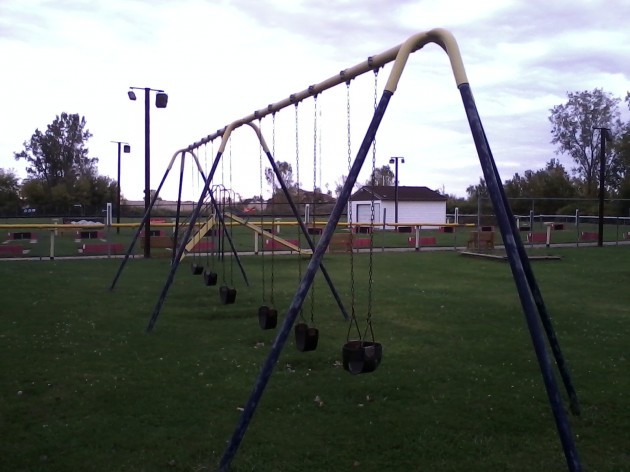
You’d be hard-pressed to find a seesaw or teeter-totter on a playground today, at least not the rusty, death traps I used to play on. And let’s not forget the swing sets of yesteryear. Loose chains and that one leg that always popped out of the ground and then landed with an ominous thud. I remember relying on the help of an underdog (Edgers, feel free to Google that), to leap off onto the sharp gravel below. These days, it’s all about safety-first. Less excitement, but also fewer injuries.
Cribs
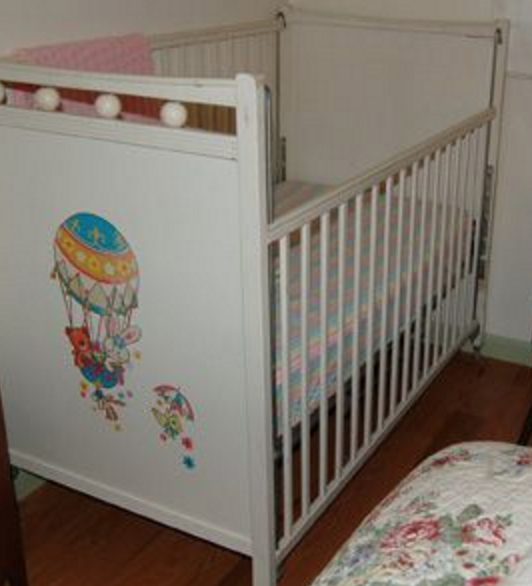
Apparently the crib I slept in as a baby was a death trap. Reports of infants suffering from falls, strangulation, and suffocation were not uncommon at the time. The US Consumer Product Safety Commission (CPSC) made crib safety a top priority in the 2000s, setting strict standards for both manufacturers and retailers. These requirements include stronger mattress supports and crib slates, extremely durable crib hardware, and rigorous safety testing. They’re also easier on the eyes, but that’s really beside the point.
Seat belts
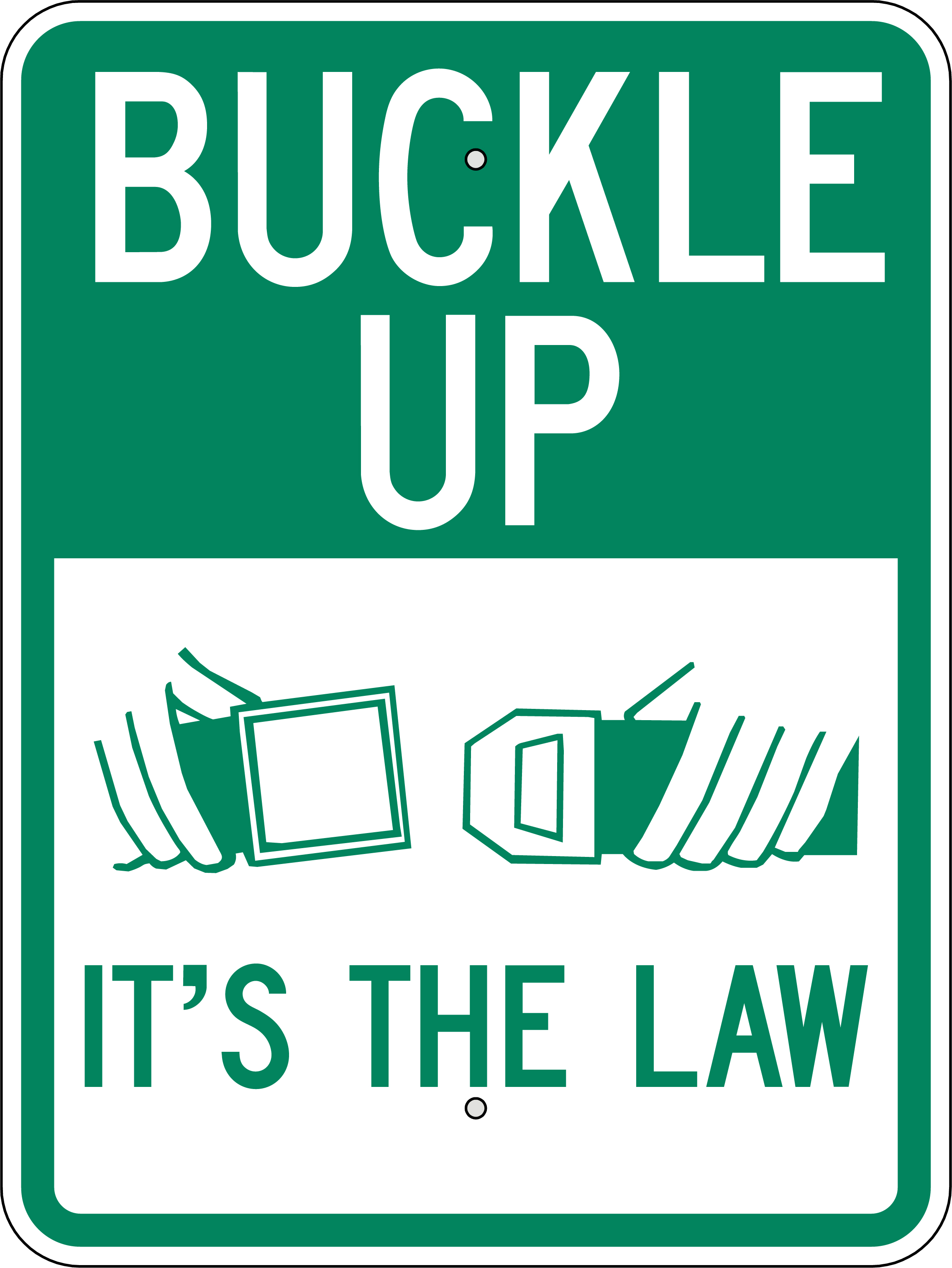
On January 1, 1968, the first law was passed in the Unites States that required all vehicles (except buses) to be fitted with seat belts in all designated seating positions. It wasn’t until the mid-80s that states started to require people actually use them (although for quite a while, drivers took that as a friendly suggestion as apposed to an actual legal requirement). It wasn’t uncommon to see kids crawling from front seat to back, or even sitting in the driver’s lap. Weeeeeeeee!
Helmets
Back in the day, nobody wore a helmet while riding around on their Huffy. And if they did, they were the exception, not the rule. The geeky, nerdy exception. (Obviously, yours truly was helmet free). But for most Millennials, wearing a helmet was standard safety. And if you saw a Millennial rollerblading, the helmet was just the beginning. The full get-up included knee pads, elbow pads, and wrist guards. For Boomers and Xers, when we hopped on our wheels and were jumping our BMXs, we were always just one wipeout away from cracking open our skulls.

Sunblock
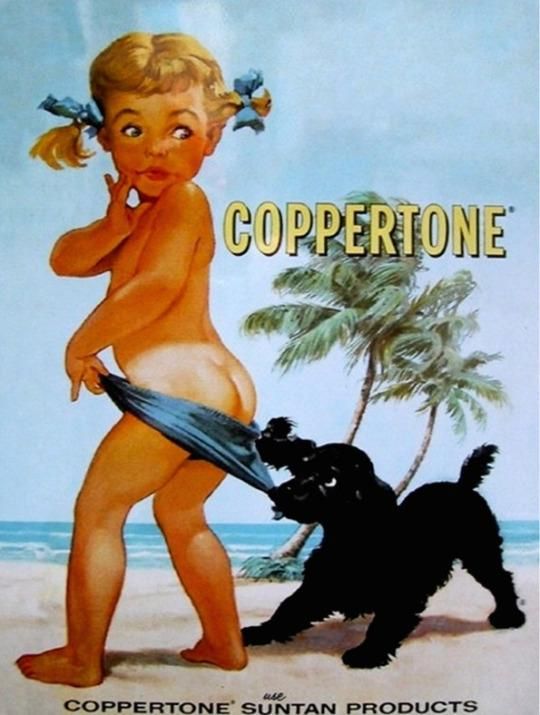
It was often called “suntan lotion” and SPF 4 was considered more than adequate, a major safety upgrade from the standard baby oil. Today, for optimum protection from the sun, experts advise consumers to choose a chemical sunscreen with a 40 or higher SPF. This accounts for all those summers where my skin fried to a nice crispy shade of tomato red.
Second-hand smoke
Forget secondhand smoke. I remember kids running to the store to pick up a pack of cigarettes for their parents, often with a note of permission directly from the parent him or herself. Airplanes, movie theaters, malls, cars—all of my memories of these spaces come with a thick haze of blue smoke. Let’s not forget that kids were also being primed for a future life of nicotine addiction with candy cigarettes and their all-too-realistic packaging.

When someone starts a sentence with, “back when I was a kid,” people often brace themselves for a nostalgic lecture about how great things were before smart phones, social media, and Pokémon Go.
As a Gen Xer and proud nostalgia enthusiast, I’m about as guilty of this as a person can get. But the more I think about the good ol’ days, the more I realize it wasn’t all sunshine and 8-tracks. In fact, when I stop and think about it, it’s a wonder I survived childhood with all 10 fingers and 10 toes.
Think about it. Parental supervision was minimal. 911 wasn’t available in most towns. Older homes were coated in lead-based paint, and schools were covered in asbestos. Children ate unwrapped candy at Halloween. The school lunches, well… they would make Michelle Obama cringe. And let’s not forget (gulp) gluten! Baby Boomers and Gen Xers grew up in a very different and sometimes very dangerous time—one that was a far cry from the hyper-protected childhoods of Millennials and Gen Edgers.
Here’s a nostalgic reflection on a list of some of the dangers I managed to escape. I’m just glad I lived to tell the tale.
CAR Seats
Today, children under age four must be properly secured in a child restraint system in the rear seat, AND they must then ride in a booster seat until they turn eight. Failure to comply results in a hefty fine. When I was a youngster, car seats weren’t at all common. When someone did actually have one, the purpose was more to restrain kids and keep them from moving about the car than trying to protect them in a crash.
Playground equipment
You’d be hard-pressed to find a seesaw or teeter-totter on a playground today, at least not the rusty, death traps I used to play on. And let’s not forget the swing sets of yesteryear. Loose chains and that one leg that always popped out of the ground and then landed with an ominous thud. I remember relying on the help of an underdog (Edgers, feel free to Google that), to leap off onto the sharp gravel below. These days, it’s all about safety-first. Less excitement, but also fewer injuries.
Cribs
Apparently the crib I slept in as a baby was a death trap. Reports of infants suffering from falls, strangulation, and suffocation were not uncommon at the time. The US Consumer Product Safety Commission (CPSC) made crib safety a top priority in the 2000s, setting strict standards for both manufacturers and retailers. These requirements include stronger mattress supports and crib slates, extremely durable crib hardware, and rigorous safety testing. They’re also easier on the eyes, but that’s really beside the point.
Seat belts
On January 1, 1968, the first law was passed in the Unites States that required all vehicles (except buses) to be fitted with seat belts in all designated seating positions. It wasn’t until the mid-80s that states started to require people actually use them (although for quite a while, drivers took that as a friendly suggestion as apposed to an actual legal requirement). It wasn’t uncommon to see kids crawling from front seat to back, or even sitting in the driver’s lap. Weeeeeeeee!
Helmets
Back in the day, nobody wore a helmet while riding around on their Huffy. And if they did, they were the exception, not the rule. The geeky, nerdy exception. (Obviously, yours truly was helmet free). But for most Millennials, wearing a helmet was standard safety. And if you saw a Millennial rollerblading, the helmet was just the beginning. The full get-up included knee pads, elbow pads, and wrist guards. For Boomers and Xers, when we hopped on our wheels and were jumping our BMXs, we were always just one wipeout away from cracking open our skulls.
Sunblock
It was often called “suntan lotion” and SPF 4 was considered more than adequate, a major safety upgrade from the standard baby oil. Today, for optimum protection from the sun, experts advise consumers to choose a chemical sunscreen with a 40 or higher SPF. This accounts for all those summers where my skin fried to a nice crispy shade of tomato red.
Second-hand smoke
Forget secondhand smoke. I remember kids running to the store to pick up a pack of cigarettes for their parents, often with a note of permission directly from the parent him or herself. Airplanes, movie theaters, malls, cars—all of my memories of these spaces come with a thick haze of blue smoke. Let’s not forget that kids were also being primed for a future life of nicotine addiction with candy cigarettes and their all-too-realistic packaging.
