



Skilled trades and manufacturing face a severe labor shortage, exacerbated by Baby Boomer retirements (2.1 million projected unfilled U.S. manufacturing jobs by 2030; 439,000 more construction workers needed in 2025). Only two young workers replace every five retiring Boomers due to negative stereotypes and overemphasis on college.
To fill the potential 1.9 million manufacturing jobs by 2033, recruitment, particularly of Gen Z, must highlight technology via postings, videos, and tours to combat stigmas and showcase innovation.
FULL ARTICLE
Over the past decade, the skilled trades and manufacturing sectors have grappled with a persistent and deepening labor shortage, exacerbated by the ongoing retirement of Baby Boomers. As millions of experienced workers exit the workforce, projections indicate that U.S. manufacturing alone could face up to 2.1 million unfilled jobs by 2030, with current openings hovering around 400,000–415,000 as of mid-2025. In construction, the industry is short approximately 500,000 skilled workers, with estimates suggesting a need for 439,000 additional workers in 2025 just to meet demand.
This imbalance stems in part from generational shifts: for every five Baby Boomers retiring from skilled roles, only two younger workers are entering to replace them. Negative stereotypes portraying these careers as low-status or physically demanding, combined with a longstanding societal emphasis on four-year college degrees, have deterred Millennials and much of Gen Z from pursuing them—despite high earning potential and job security.
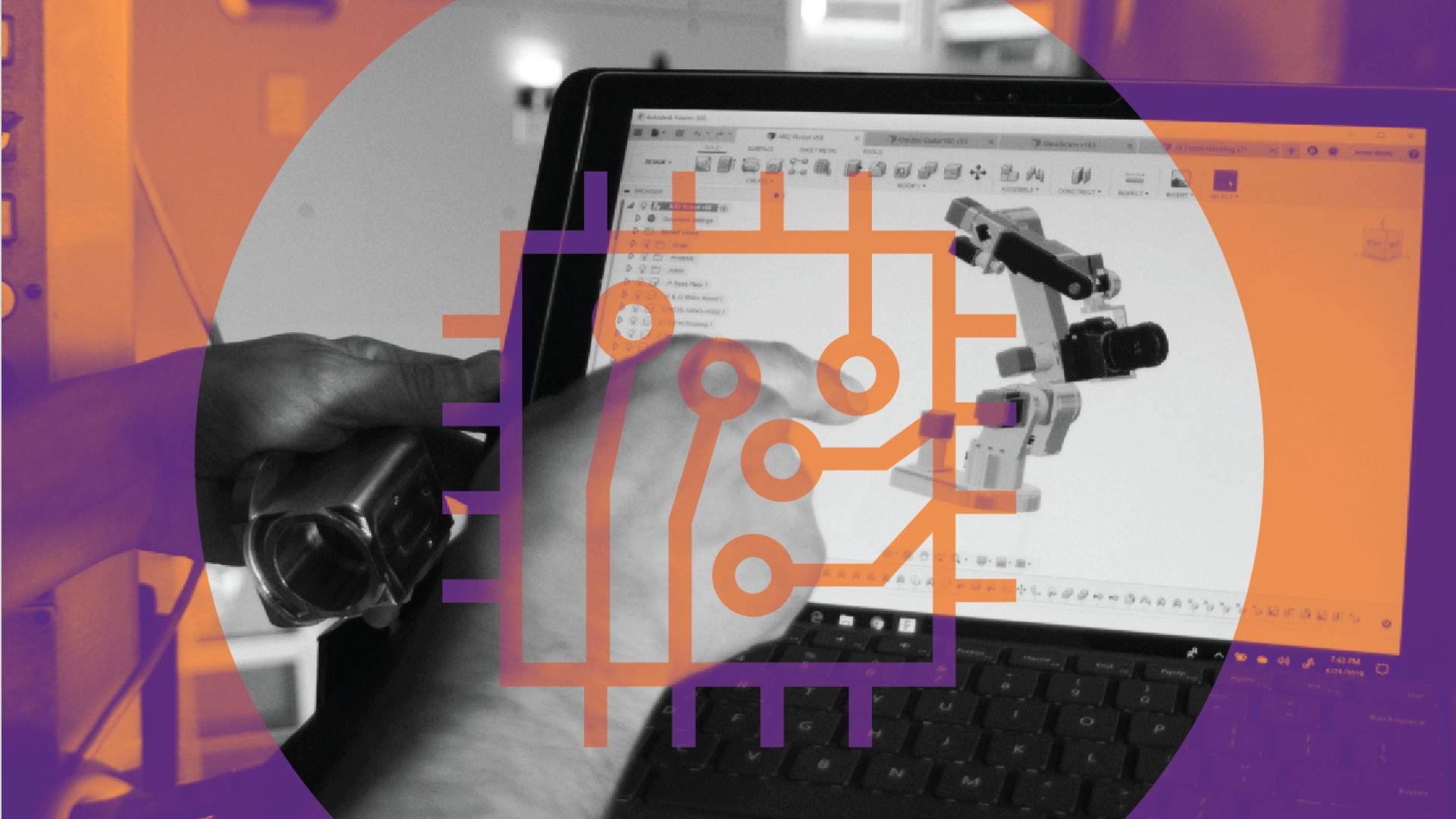
Yet the outlook is far from hopeless. Emerging trends show growing interest among younger workers, with vocational community college enrollment rising 16% in recent years and a notable uptick in Gen Z applications for manufacturing and trade programs. Modern facilities increasingly incorporate advanced technologies—such as robotics, AI-driven automation, IoT sensors, and collaborative robots—that transform traditional roles into high-tech, innovative positions blending hands-on work with digital skills.
And it’s no exaggeration to say that advanced technology is indispensable to Generation Z. As true digital natives, they view robust, cutting-edge tools not as optional perks but as fundamental requirements for driving productivity, collaboration, and innovation in the workplace.
Although a widely cited 2018 Dell Technologies survey found that 91% of Gen Z considered the technology offered by an employer a key factor when choosing between similar job offers—and 80% expressed a desire to work with cutting-edge technology—more recent data reinforces how deeply entrenched these expectations remain. In 2025, Deloitte’s Global Gen Z and Millennial Survey reveals that three-quarters (74%) of Gen Z believe generative AI will significantly impact their work within the next year, with many actively seeking training to integrate such tools effectively. Additionally, Gen Z workers increasingly prioritize employers who provide seamless access to modern digital ecosystems, including AI-driven platforms and mobile-first solutions.
This perspective sets Gen Z apart from Millennials. While Millennials came of age during a rapid tech upgrade cycle—adapting to shifts from dial-up internet and early mobile devices—they learned to anticipate constant evolution and improvement. Gen Z, by contrast, has grown up in an era where high-speed connectivity, touchscreens, ubiquitous Wi-Fi, and intelligent systems like AI assistants are the norm, with innovations focusing more on refinement and integration rather than foundational leaps.
As a result, Gen Z enters the workforce with intuitive fluency in sophisticated hardware and software, expecting employers to match the seamless, always-on experiences they’ve known since childhood. Organizations that invest in state-of-the-art technology—not just for efficiency but to empower creativity and work-life balance—stand the best chance of attracting, engaging, and retaining this generation.
Amid the persistent labor shortages in skilled trades and manufacturing—with projections estimating up to 3.8 million new manufacturing jobs by 2033, potentially leaving 1.9 million unfilled if talent gaps persist—leveraging technology emerges as a powerful tool for attracting Generation Z.
Recruiters should prominently feature advanced tools in conversations, job postings, and campaigns, illustrating how robotics, AI-driven automation, IoT sensors, collaborative robots, and generative AI streamline daily tasks, enhance safety, boost efficiency, and elevate the overall employee experience. Recent trends show this approach resonating: Gen Z applications to manufacturing roles are rising as younger workers discover the sector’s technological sophistication, with many drawn to positions blending hands-on expertise with digital innovation.
Transparency about the modern, high-tech nature of these roles is essential for dismantling longstanding stigmas that portray trades as outdated or low-status. By showcasing real-world examples—through videos, virtual tours, social media content, and recruitment materials—employers can authentically connect with Gen Z’s digital-native mindset and values, such as purpose, innovation, and work-life balance.
